What food law requires of a transport operator
If you carry food, you are part of a food business, and the hygiene rules apply to your vehicles, drivers and procedures as much as to a factory or a shop. The main legislation in England is:
- Food Safety Act 1990. The primary Act, which makes it an offence to supply food that is injurious to health or not of the nature, substance or quality demanded.
- Regulation (EC) 852/2004 on the hygiene of foodstuffs (assimilated law). General hygiene rules for every food business, including the duty to run HACCP-based procedures.
- Regulation (EC) 853/2004 (assimilated law). Specific hygiene rules, including temperatures, for products of animal origin such as meat, fish and dairy.
- Food Safety and Hygiene (England) Regulations 2013. These provide for the enforcement of the assimilated regulations in England and set the temperature control rules in Schedule 4. Scotland, Wales and Northern Ireland have their own equivalent regulations.
- Food Information Regulations 2014. Allergen and labelling information, which transport must not undermine.
Enforcement normally sits with the local authority. In practice, most hauliers meet the law's requirements through their customers' audits long before an enforcement officer visits.
The transport rules in Regulation 852/2004
Annex II, Chapter IV of Regulation 852/2004 deals specifically with transport. In plain terms:
- vehicles and containers must be kept clean and in good repair, and designed so they can be cleaned and disinfected properly;
- load spaces should not carry anything other than food where that could cause contamination;
- bulk liquids, granules and powders must travel in containers or tankers reserved for food;
- where food travels with other goods, or different foods travel together, they must be effectively separated;
- where a vehicle has carried something other than food, it must be cleaned effectively between loads;
- food must be placed and protected so as to minimise the risk of contamination;
- where necessary, vehicles must be able to hold food at the right temperature and allow that temperature to be monitored.
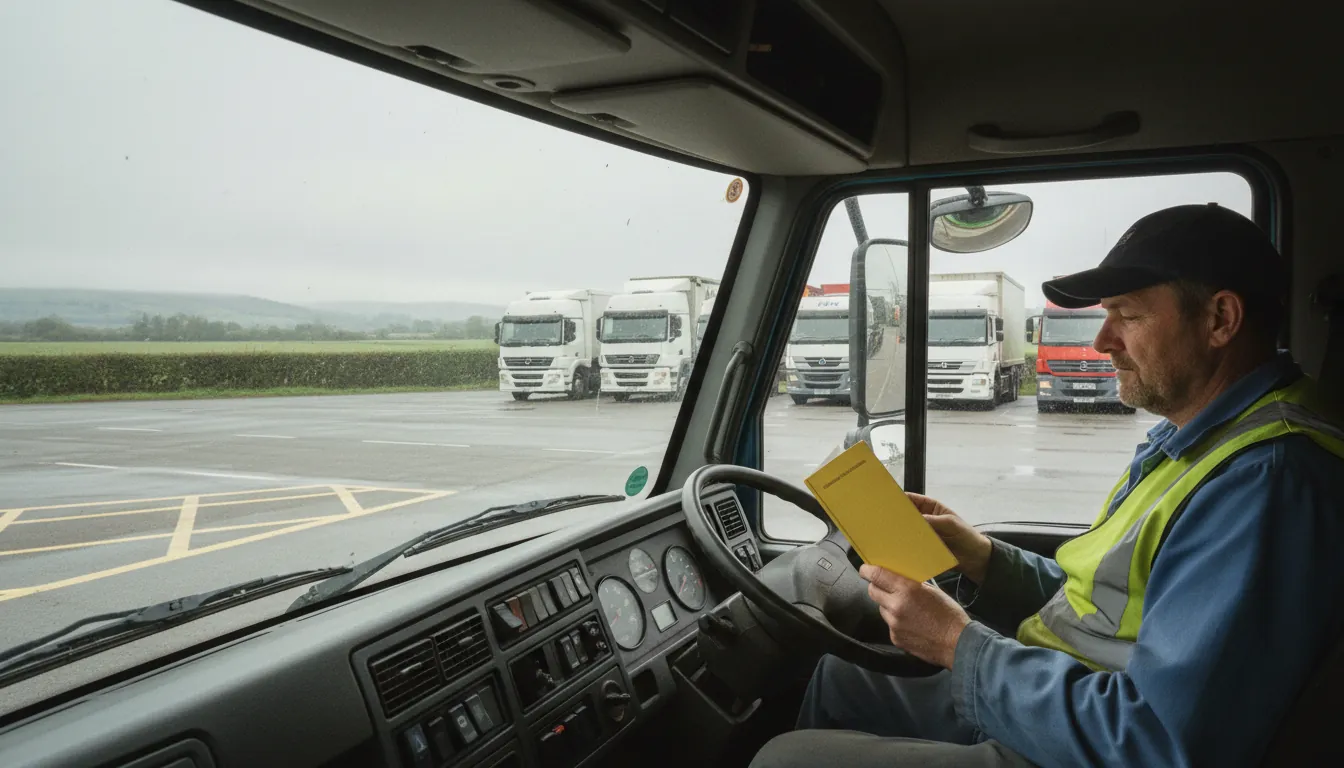
Chapter XII adds that food handlers must be supervised and instructed or trained in food hygiene to a level that suits their work. For a driver that means loading, temperature checks, seal and door discipline, spill handling and what to do when something goes wrong.
HACCP: the core requirement
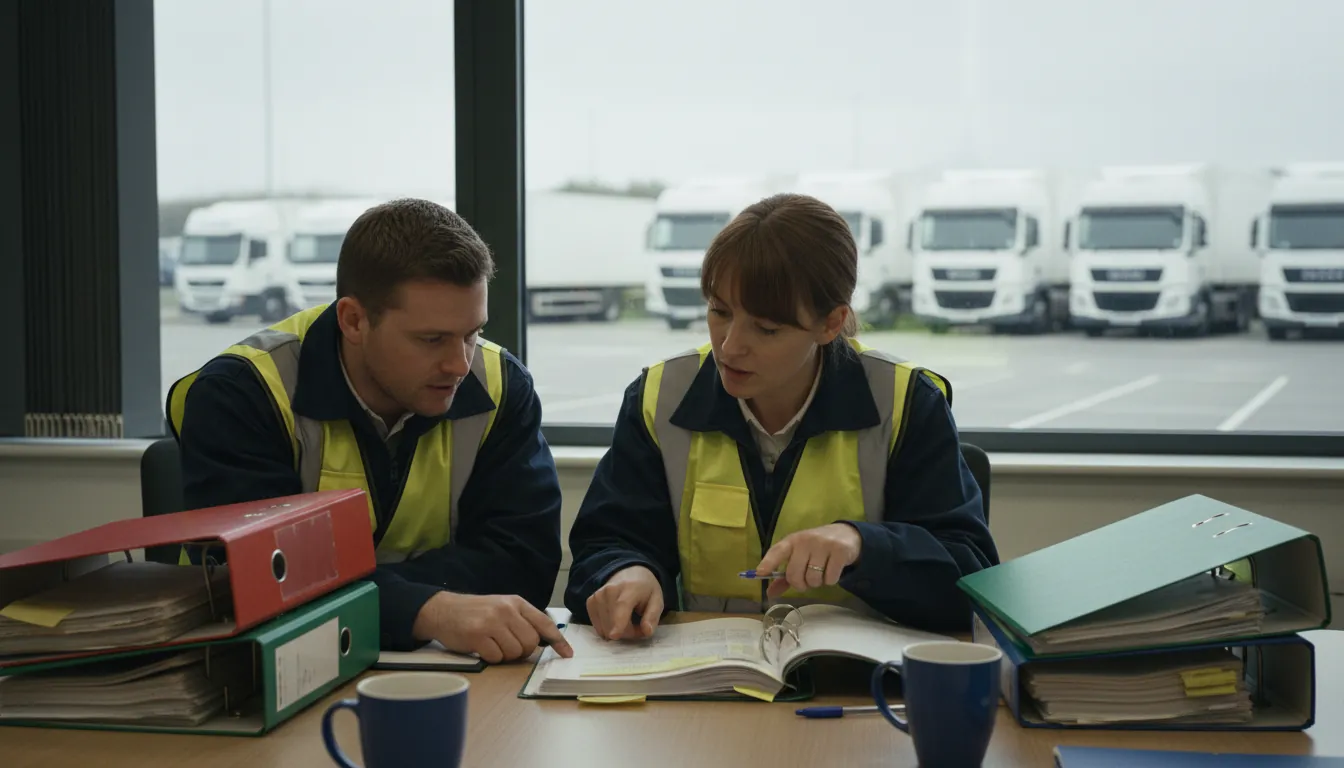
Article 5 of Regulation 852/2004 requires every food business operator to put in place, run and maintain permanent procedures based on the HACCP principles. For a transport operation the study should:
- identify the biological, chemical, physical and allergen hazards that could arise in collection, transit, cross-docking and delivery;
- decide which steps are critical control points (CCPs);
- set critical limits at each CCP;
- define how each CCP is monitored and how often;
- set corrective actions for when a limit is breached;
- verify that the system works, including equipment calibration and internal audit;
- keep records proportionate to the size and nature of the business.
Temperature control is the most common CCP in food transport. Cross-contamination and allergen cross-contact are often controlled through prerequisite programmes, such as cleaning, segregation and pack integrity checks, but some customers expect allergen control to be treated as a CCP. Your study should say which approach you take and why.
Temperature control in practice
In England, Schedule 4 of the Food Safety and Hygiene (England) Regulations 2013 sets the general rules: food that needs chilling must be held at 8°C or below, and hot-held food at 63°C or above. There is a limited tolerance during transport where the temperature rises for unavoidable reasons, such as defrosting the unit or a temporary breakdown, provided food safety is not compromised. Regulation 853/2004 sets specific temperatures for some products of animal origin, and quick-frozen food has its own rules.
Retailer and manufacturer specifications are often tighter than the legal 8°C limit. Check each customer's specification and build your critical limits from the strictest one that applies to the load.
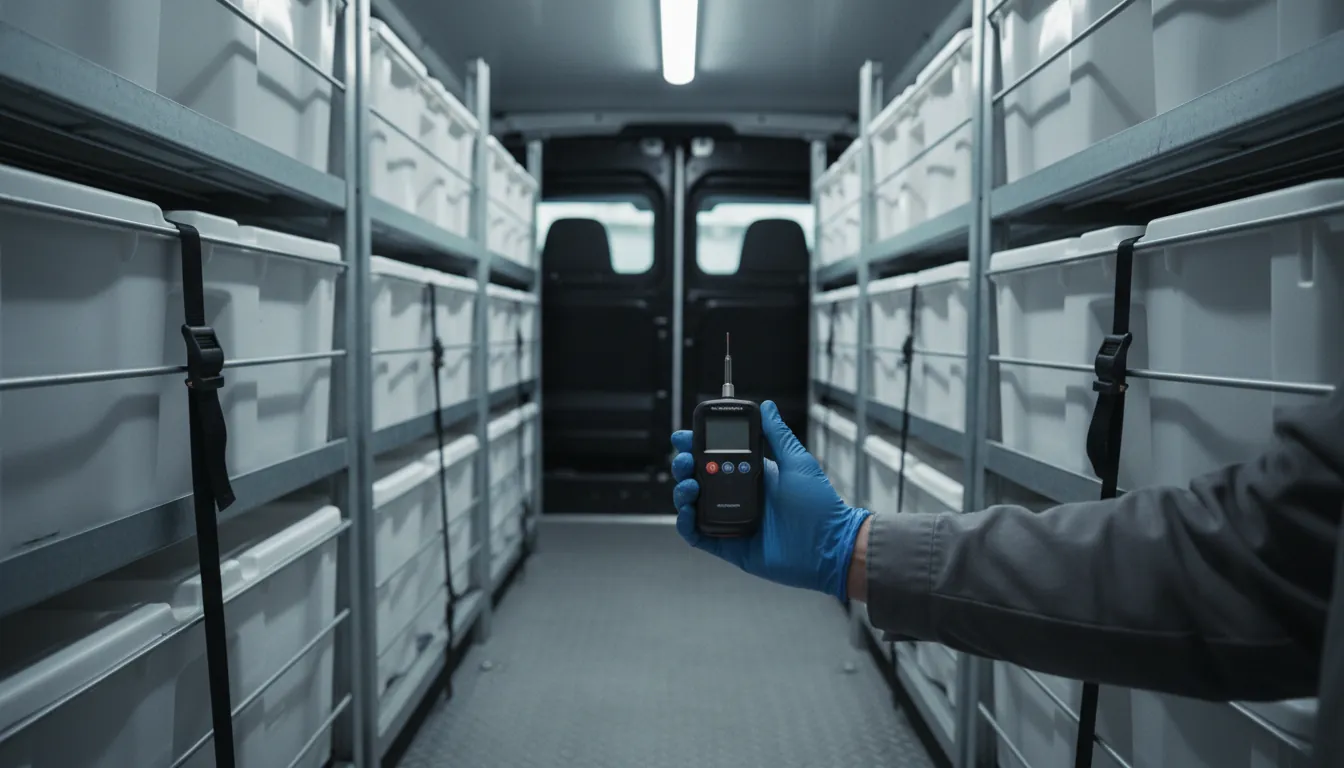
A credible temperature system records:
- pre-cooling of the load space before loading;
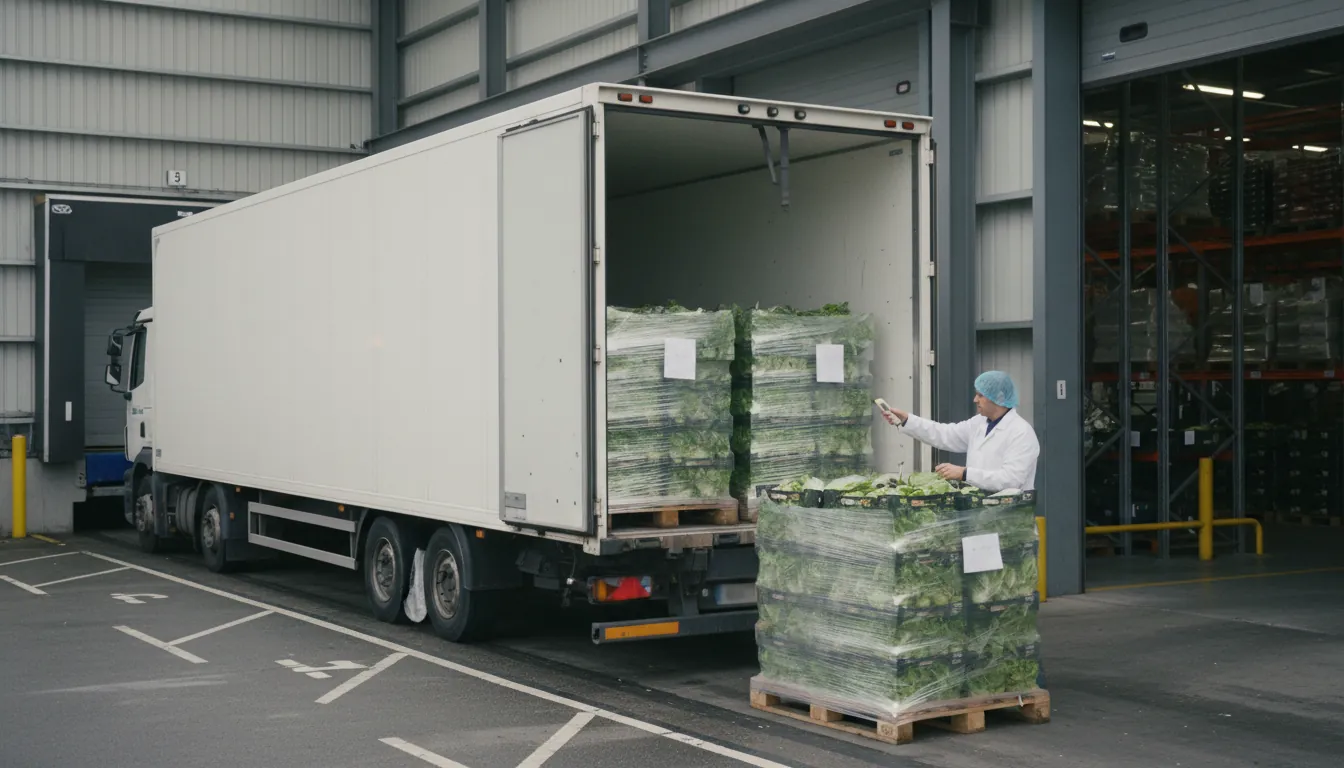
- product temperature at collection, with a clear rule for refusing out-of-specification product;
- in-transit temperatures from a calibrated recorder, downloaded and reviewed;
- temperatures at delivery;
- every excursion, with the action taken and who decided it.
Calibration records must match the equipment actually fitted. Auditors regularly find certificates for probes or recorders that are no longer in the fleet.
Multi-temperature vehicles and multi-drop work
Split-compartment vehicles and multi-drop routes need their own controls. Bulkheads must be positioned and sealed correctly, each compartment needs its own monitoring, and door-open time at each drop needs a limit. Plan routes so that the most temperature-sensitive goods are not the last off after a long day of door openings, and give drivers a clear rule for when to stop and call the office.
Subcontractors and traceability
If you pass loads to another haulier on busy days, your customer will expect that haulier to meet the same standard. Approve subcontractors in writing, check their temperature records and cleaning arrangements, and keep enough consignment detail to trace any load back to collection time, vehicle, trailer and driver.
Allergen management
Transport rarely changes what is in a product, but it can undo the controls that went into packing it. Damaged packs, spills and mixed loads can all cause cross-contact. Your procedures should cover segregation of open or damaged goods, cleaning after spills, especially of nut, sesame, milk, egg and gluten products, rejection or quarantine of damaged packs, and how you tell the customer. If you cross-dock or re-pack, the risk and the paperwork increase sharply.
Vehicle hygiene and condition
A documented cleaning and disinfection programme should set out frequency, method, chemicals, concentrations, contact times and verification for each vehicle type. Add pre-loading inspections of floors, walls, door seals and drains, a pest control arrangement covering vehicles and any yard or depot, and a maintenance link so damaged linings and failed seals are repaired before they become a contamination risk. Refrigeration unit servicing belongs in the same system, alongside your normal safety inspections.
BRCGS certification
If your customers require BRCGS certification, we prepare your operation for the audit alongside your HACCP system. Our BRCGS preparation covers your documented food safety management system, HACCP study, vehicle hygiene procedures, temperature monitoring and calibration, pest control, driver training and allergen management, and finishes with a pre-audit assessment so you know where you stand before the auditor arrives.
No law requires BRCGS certification. Whether you need it depends on what your customers write into their supplier requirements. If a customer has asked you for it, send us their wording and we will confirm exactly what the audit will cover.
BRCGS Storage and Distribution
The recognised certification standard for food logistics is the BRCGS Global Standard for Storage and Distribution, currently Issue 4. It covers food, packaging and consumer products, and offers flexible scopes, including storage only, distribution only and transport only, so a haulier without a warehouse can be certified. Additional modules cover activities such as cross-docking, wholesale and e-commerce. BRCGS position statements published in 2026 apply to audits from 10 August 2026, so check that your system reflects them before your next audit.
We prepare operators for first-time BRCGS certification and help certified sites close non-conformities.
Retailer and customer technical audits
Major retailers and food manufacturers run their own technical standards for transport suppliers and audit against them directly. These usually go further than the law, covering vehicle construction and internal finish, cleaning and disinfection, temperature recorder specification, driver health and hygiene, seal control, goods-in procedures and traceability. We have experience of the major retailer audit frameworks and build systems that satisfy them as well as the legislation.
What operators get wrong
- A HACCP study copied from a template that describes a different operation.
- Critical limits set at the legal 8°C when the customer's specification is tighter.
- No written rule for what drivers do when product is out of temperature at collection.
- Cleaning schedules that exist on paper, with no record that cleaning was done or checked.
- Calibration certificates for equipment no longer fitted.
- Agency drivers who have never seen the food safety procedures.
- Documents still using pre-2024 terminology and old regulation names. Since 1 January 2024 the correct term is assimilated law.
What has changed recently
- BRCGS 2026 position statements apply to Storage and Distribution audits from 10 August 2026.
- Assimilated law. Regulations 852/2004 and 853/2004 remain in force in Great Britain as assimilated law under the Retained EU Law (Revocation and Reform) Act 2023. Update references in your manual and HACCP study.
- ISO 9001:2026 was published on 16 September 2026. If food customers also ask for ISO 9001, see our ISO 9001 page for transition dates.
What J&JL delivers
- a documented HACCP study built around your routes, vehicles and product categories;
- a food safety management system covering legal and customer requirements;
- a vehicle hygiene programme with cleaning schedules and verification records;
- a temperature monitoring system, including calibration and excursion procedures;
- allergen management procedures;
- driver food hygiene training, with records;
- pest control documentation;
- a pre-audit assessment against BRCGS Storage and Distribution or your customer's own standard;
- ongoing support, including help at your audit and with any non-conformities.
Time to audit-ready depends on your starting point and the standard you need. We give you a dated plan at the free consultation, built around your customer's deadline.
Sources and further reading
- Food Safety and Hygiene (England) Regulations 2013, Schedule 4 (legislation.gov.uk)
- Regulation (EC) No 852/2004 on the hygiene of foodstuffs (legislation.gov.uk)
- Food Information Regulations 2014 (legislation.gov.uk)
- BRCGS Global Standard for Storage and Distribution
- Retained EU Law (Revocation and Reform) Act 2023, section 5 (legislation.gov.uk)
Checked against the sources above on 5 October 2026.