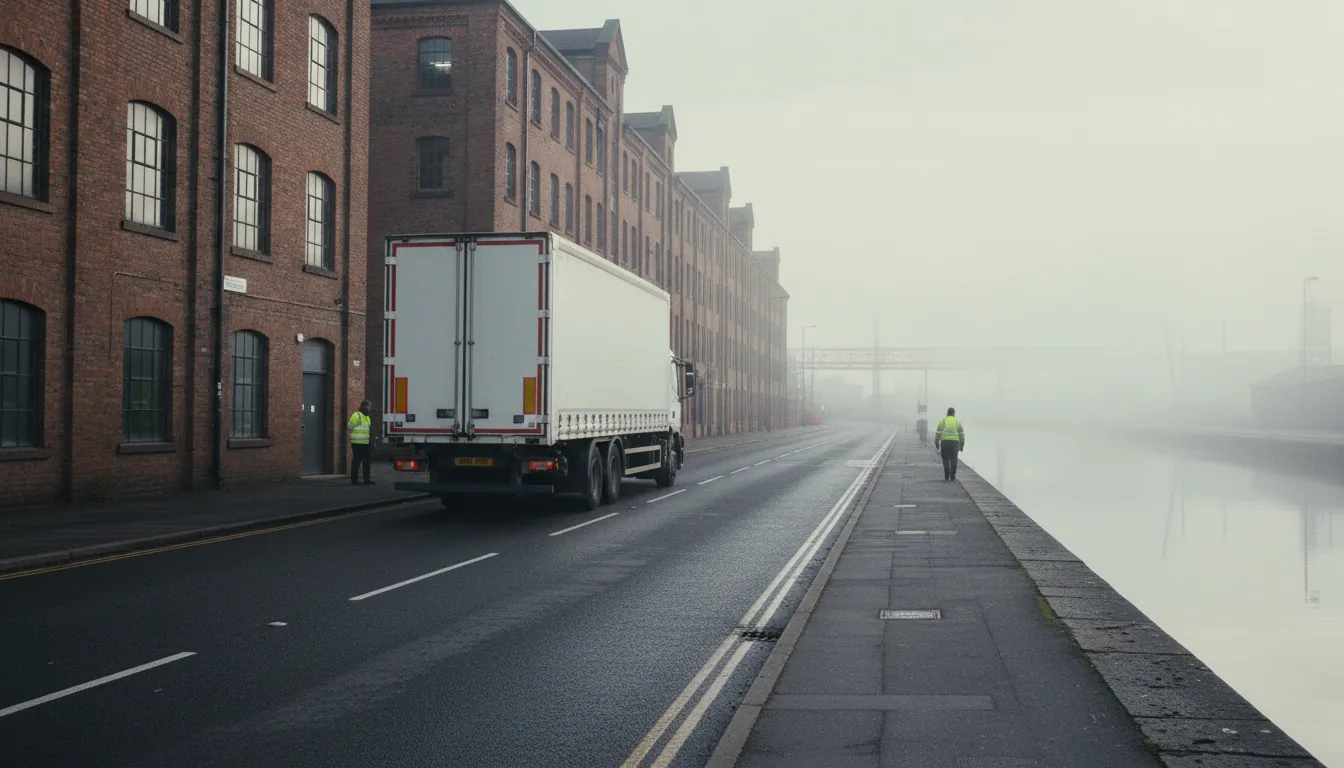
Working with Greater Manchester operators
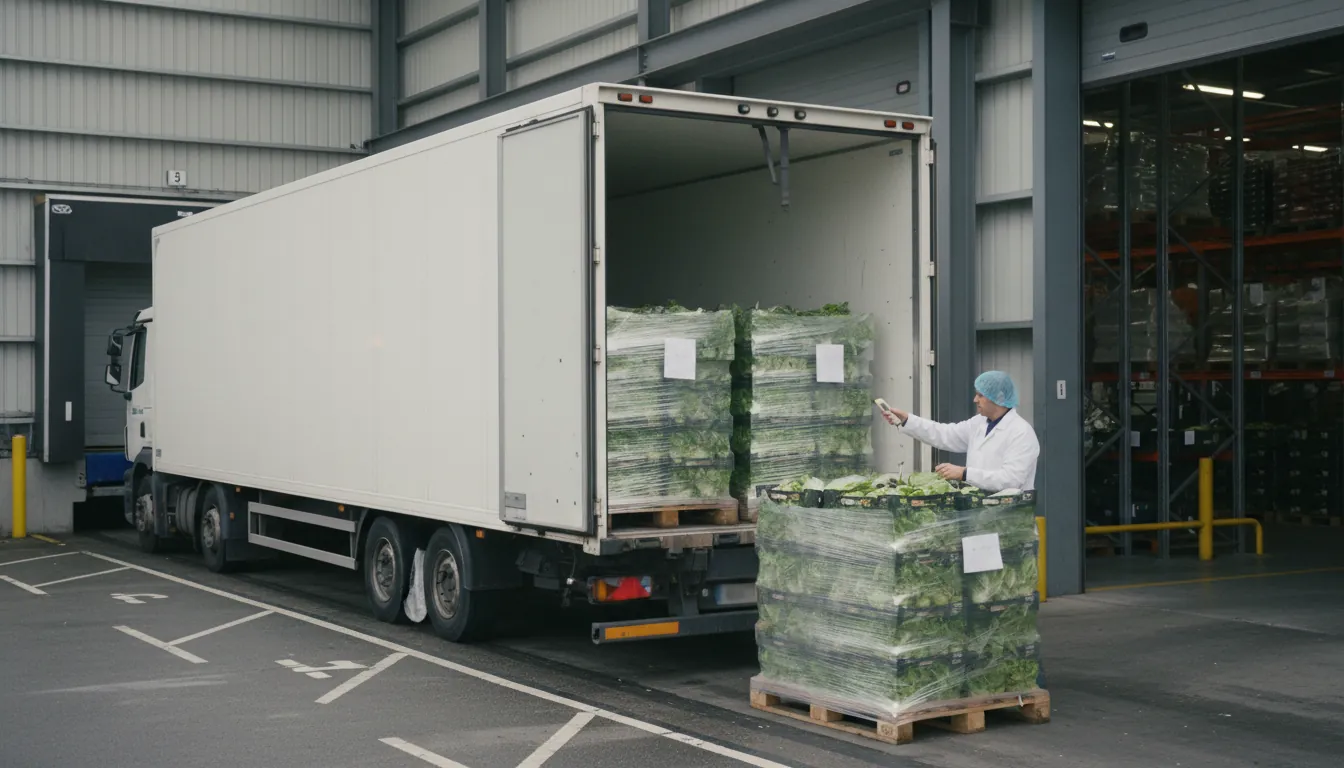
Greater Manchester is one of the busiest freight areas in the country. Trafford Park has rail freight terminals and Port Salford sits on the Manchester Ship Canal. Manchester Airport has its World Freight Terminal. Big distribution sites line the M60, M62, M61 and M56, including Logistics North at Bolton and the parks around Heywood and Rochdale. Most of the region’s lorries, though, are doing shorter work: building materials into city-centre sites, muck-away and aggregates, food and drink deliveries, parcels and waste.
As a transport compliance consultant for Manchester operators, we see one theme more than any other. A principal contractor on a city-centre scheme writes FORS or CLOCS into its subcontract terms, and an operator who has never needed accreditation suddenly has a deadline. Central Manchester is under an hour from our Blackburn office, so we can be on site for the gap analysis, the vehicle checks and the mock audit, and back again for the audit itself.
Construction logistics: FORS and CLOCS
Where a client has adopted the CLOCS Standard (Version 5, published November 2024), fleet operators must meet the requirements described as Silver in the FORS Standard. FORS Silver is the usual way to show that, although CLOCS accepts equivalent schemes. In practice, most Manchester construction clients we deal with ask for FORS Silver by name.
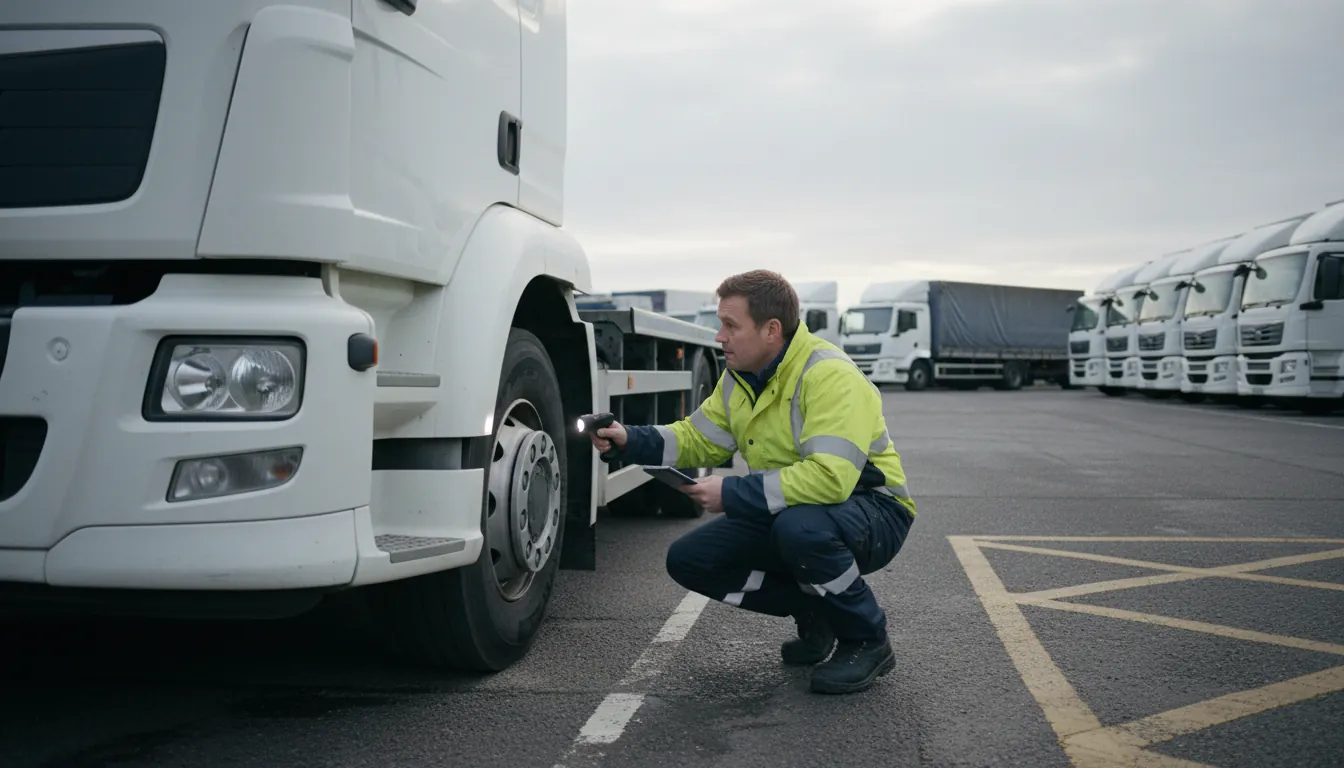
The vehicle equipment is where operators get caught out. At FORS Bronze, requirement V6 asks for side under-run protection on both sides of an HGV and Class V and VI close-proximity mirrors, or a camera monitoring system covering the same view. Nearside cameras, proximity sensors and audible left-turn warnings are Silver requirements under S6. S6 can also be met with a Direct Vision Standard rating of three stars or more plus a warning system and rear camera, or with the DVS Progressive Safe System. Rigid vehicles of 7.5 tonnes and over need a rear camera. We specify what each vehicle in your fleet needs before you spend money on kit it does not need.
From 1 September 2026, audits are against FORS Standard version 7.2. It adds a sharper focus on fuel data: fuel and AdBlue use must be recorded by registration, with the diesel-to-AdBlue ratio worked out. Our FORS service covers Bronze, Silver and Gold.
One of our case studies is a 24-vehicle construction logistics operator in Greater Manchester with a 16-week deadline for FORS Silver from a Tier 1 contractor. They achieved Bronze in week 9 with no action points and Silver in week 15, both first time.
Licensing and clean air in Greater Manchester
Operating centres in all ten Greater Manchester boroughs come under the Traffic Commissioner for the North West of England, who also covers Lancashire, Merseyside, Cheshire, Cumbria and Derbyshire. Public inquiries for the region are heard in Golborne, near Warrington. The Commissioner expects the transport manager to exercise effective and continuous management. That is hard to show if the only evidence is a signature on the application.
Greater Manchester has no charging Clean Air Zone. In January 2025 the Government backed the city region’s investment-led plan instead of a charging zone. Many Manchester operators still run into Birmingham, Bradford and Sheffield, which do run charging zones. Euro VI lorries meet the standard there. Older vehicles pay a daily charge, so check your routes before you take the work.
City-centre driving, tail lifts and drivers
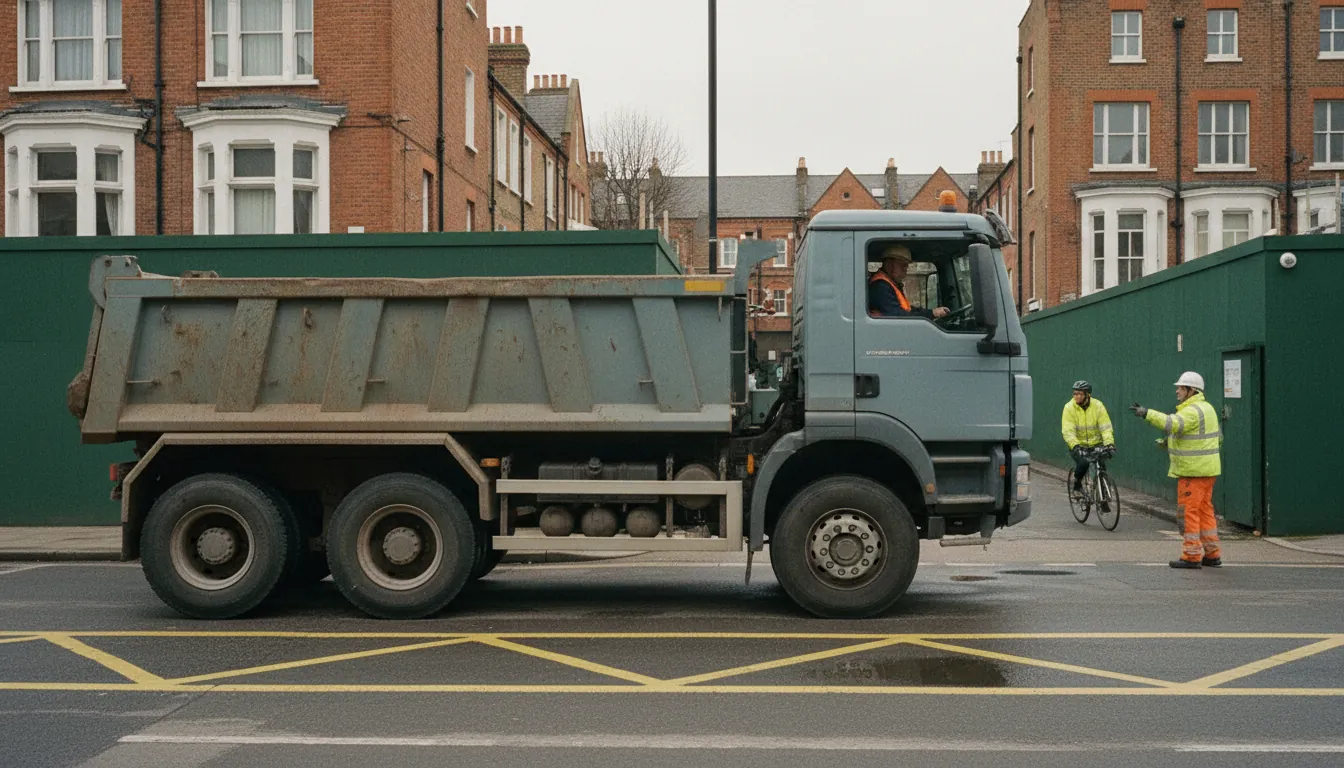
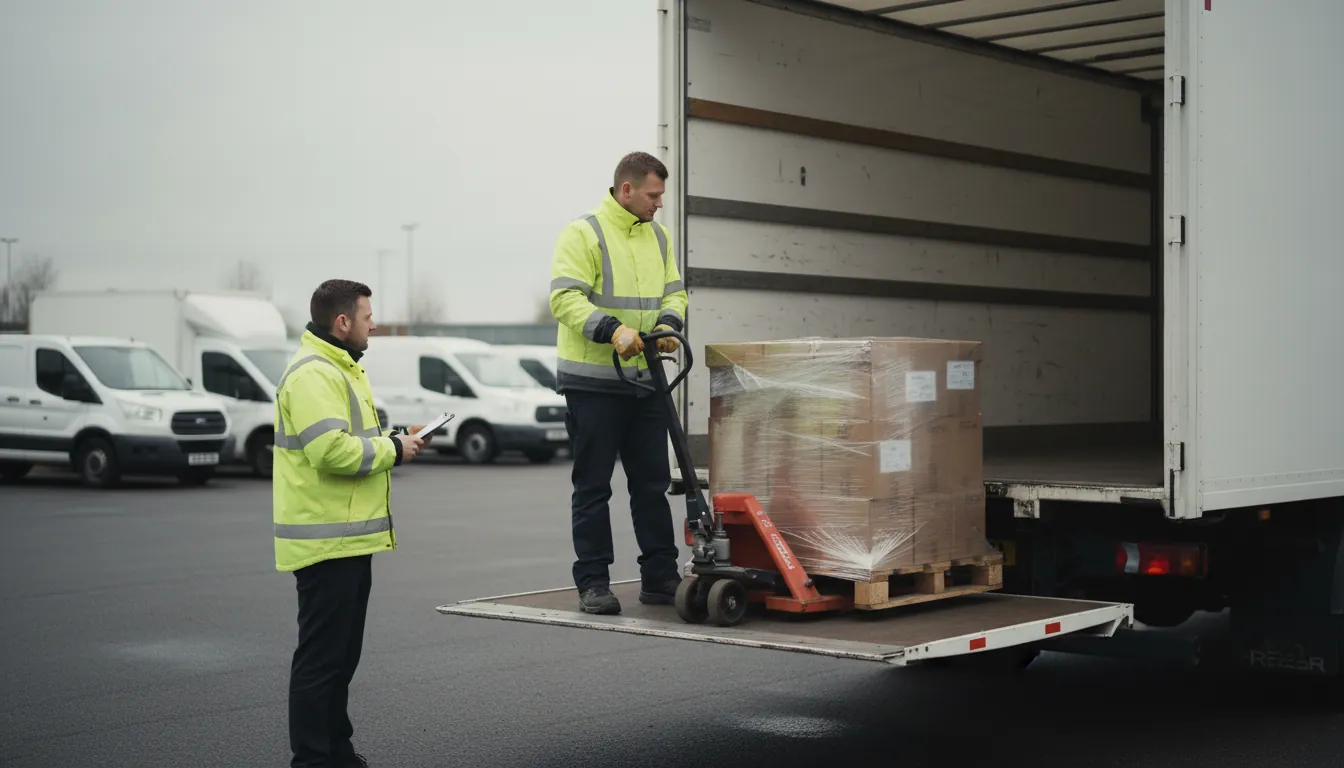
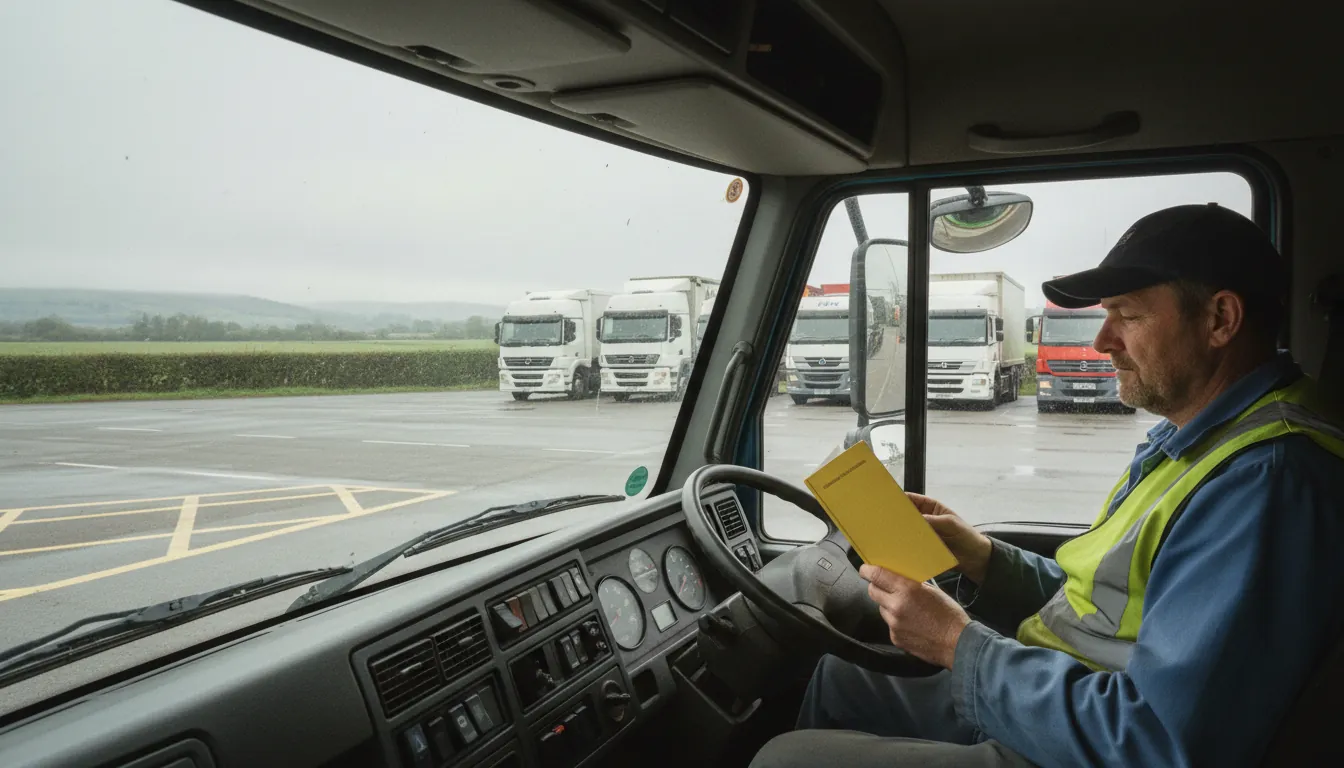
Urban multi-drop work brings its own risks. Drivers share the road with cyclists, pedestrians and Metrolink trams, they reverse into tight service yards, and they use tail lifts on kerbs and slopes. That is why we put weight on driver handbooks and on tail lift training delivered on your own vehicles.
Tipper and muck-away fleets have a different set of risks. Sheeting, climbing onto the body and tipping on soft or uneven ground are all covered by the Work at Height Regulations 2005 and by your own risk assessments, and site managers will ask to see them. Load security sits under FORS V5 as well as the road traffic law that applies to every vehicle. If any of your HGVs over 12 tonnes also work into London, each one needs a Direct Vision Standard HGV Safety Permit before it enters Greater London.
Under LOLER, a tail lift that people ride on needs a thorough examination at least every six months, or at intervals set by a written examination scheme. Keep each report until the next one is made, or for two years, whichever is later. Loading and unloading accidents are also reportable under RIDDOR 2013 even though most collisions on public roads are not. Our health and safety service sets out who reports what and when.
How we help in Greater Manchester
- FORS accreditation to Bronze, Silver or Gold, with equipment specified vehicle by vehicle.
- Health and safety systems for depots, yards and drivers.
- ISO 9001 for operators tendering for larger contracts.
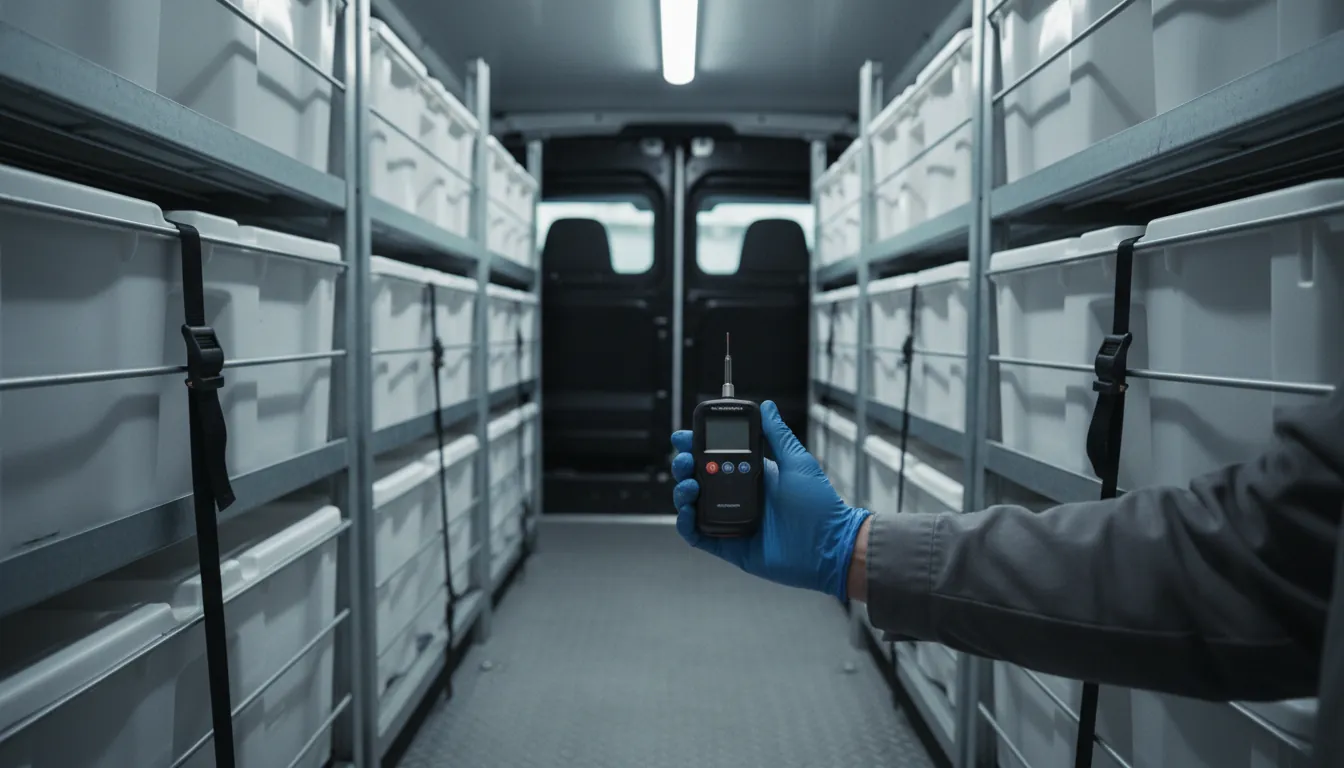
- Pharmaceutical GDP for carriers moving medicines.
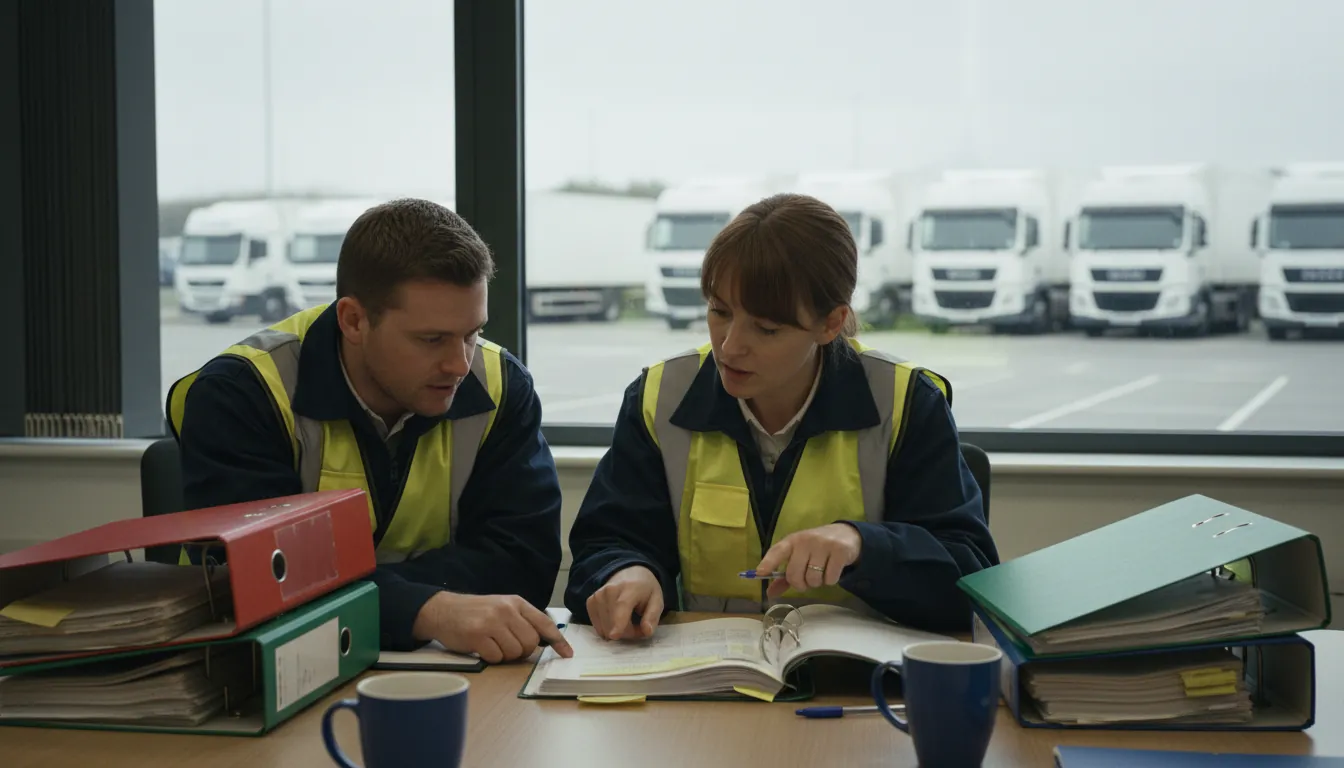
- Transport manuals that map each licence undertaking to a written procedure.
Sources and further reading
- Goods vehicle applications and decisions: North West of England (GOV.UK)
- The CLOCS Standard (CLOCS)
- FORS V6 vehicle safety equipment (FORS)
- FORS S6 vehicle safety equipment (FORS)
- Government backs investment-led plan for clean air (Clean Air Greater Manchester)
- Clean Air Zones (GOV.UK)
- RIDDOR (HSE)
Checked against the sources above on 5 October 2026.