Working with Yorkshire operators
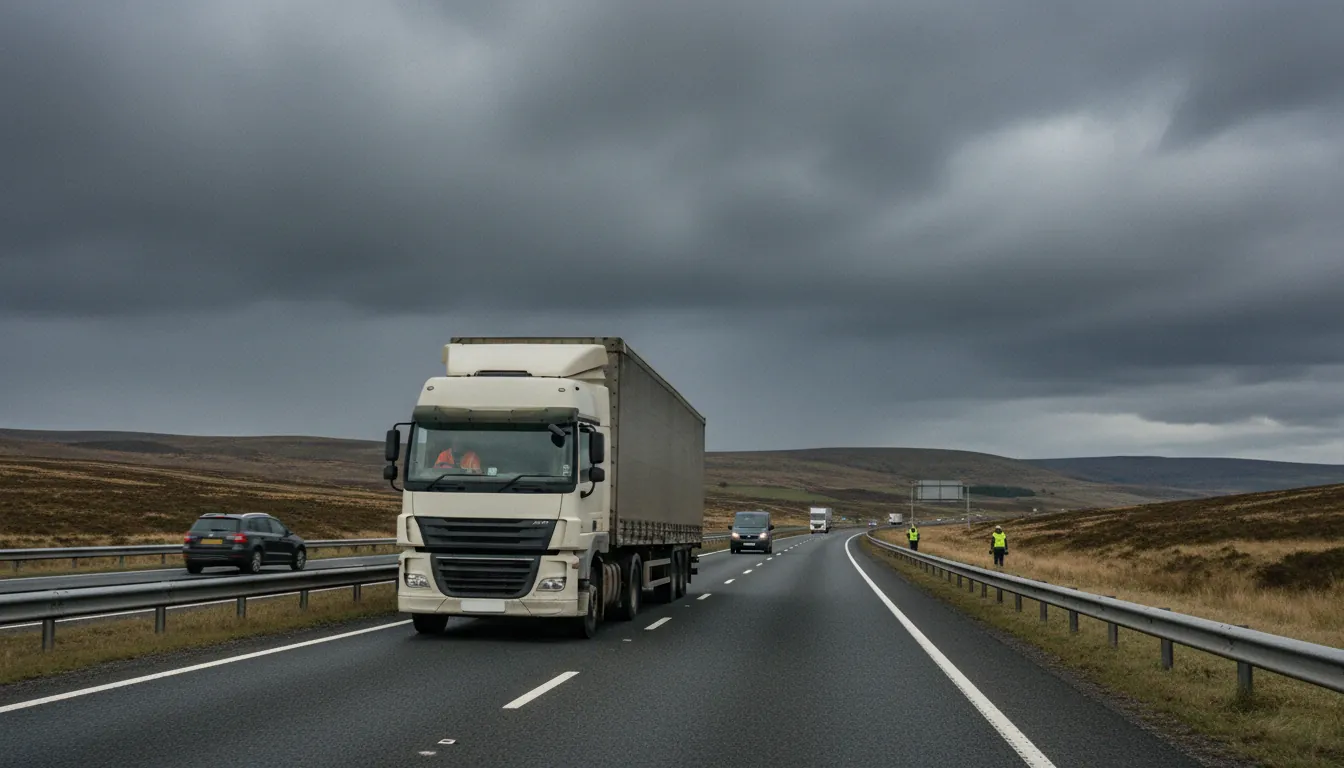
Yorkshire’s freight runs on a few big roads. The M62 crosses the Pennines and carries on to the Humber. The M1 and A1(M) run north to south, and the M18 and M180 take traffic to Doncaster and the ports. Distribution has grown around Wakefield and Normanton near the M62 and M1 junctions, at Sherburn-in-Elmet, and at iPort in Doncaster with its rail freight terminal. On the Humber, Hull, Goole and Immingham move freight to and from mainland Europe.
The sectors are just as varied: food and drink manufacturing across West and North Yorkshire, steel and advanced engineering around Sheffield and Rotherham, chemicals on the Humber bank, and retail and parcel distribution along the motorways. As a transport compliance consultant for Yorkshire operators, we reach West Yorkshire over the M65 and M62 from our Blackburn office. We cover the rest of the county the same way: on site for the gap analysis, training and audit, and on the phone and email in between.
Licensing and enforcement in Yorkshire
Yorkshire operating centres come under the Traffic Commissioner for the North East of England, whose office is in Leeds. The traffic area is larger than people expect. It covers South, West and North Yorkshire, the East Riding, Hull and York, plus the North East of England, Nottinghamshire and North and North East Lincolnshire, which takes in Immingham. If you open an operating centre elsewhere in the country, you may need a separate licence from a different Commissioner.
Enforcement on the M62 is often joined up. Operation Pennine in 2019 brought DVSA, HSE, National Highways (then Highways England) and six police forces together along the whole Liverpool to Hull route and at the ports of Liverpool, Hull and Immingham. Officers checked roadworthiness, load security, weights and drivers’ hours. You cannot prepare for a particular operation, but you can make sure every check finds a defect-free vehicle, a secure load and clean tachograph records. Each result feeds your Operator Compliance Risk Score.
Clean Air Zones in Bradford and Sheffield
Bradford and Sheffield both run charging Clean Air Zones. They are the only charging zones in Yorkshire on the Government’s list. Lorries that meet Euro VI do not pay. Older lorries, and vans that miss the zone’s standard, face a daily charge each time they enter. Check every registration on the GOV.UK vehicle checker before you take regular work in either city, and build the result into your quotes. Leeds does not run a charging zone.
Running to Europe through the Humber
Many Yorkshire operators send vehicles or trailers through Hull or Immingham. Driving work in the EU is a UK–EU international journey, and the rules have tightened:
- Drivers must be able to produce records for the current day and the previous 56 days at the roadside. Domestic work stays at 28 days.
- Vehicles on UK–EU international work must have a version 2 smart tachograph. Analogue and first-generation digital units had to be replaced by 31 December 2024, and smart version 1 units by 19 August 2025.
- From 1 July 2026, vans and light goods vehicles over 2.5 tonnes and up to 3.5 tonnes on international hire or reward work also need a version 2 smart tachograph, and a standard international operator licence. Financial standing for light goods vehicles is £1,600 for the first vehicle and £800 for each additional one.
Unaccompanied trailers shipped through the ports are still your responsibility on the road. They need safety inspections at the stated interval and a laden brake performance assessment at each one. For trailers, an EBPMS (electronic braking performance monitoring system) report is one of the accepted ways to show it.
Carrying for Yorkshire’s food producers
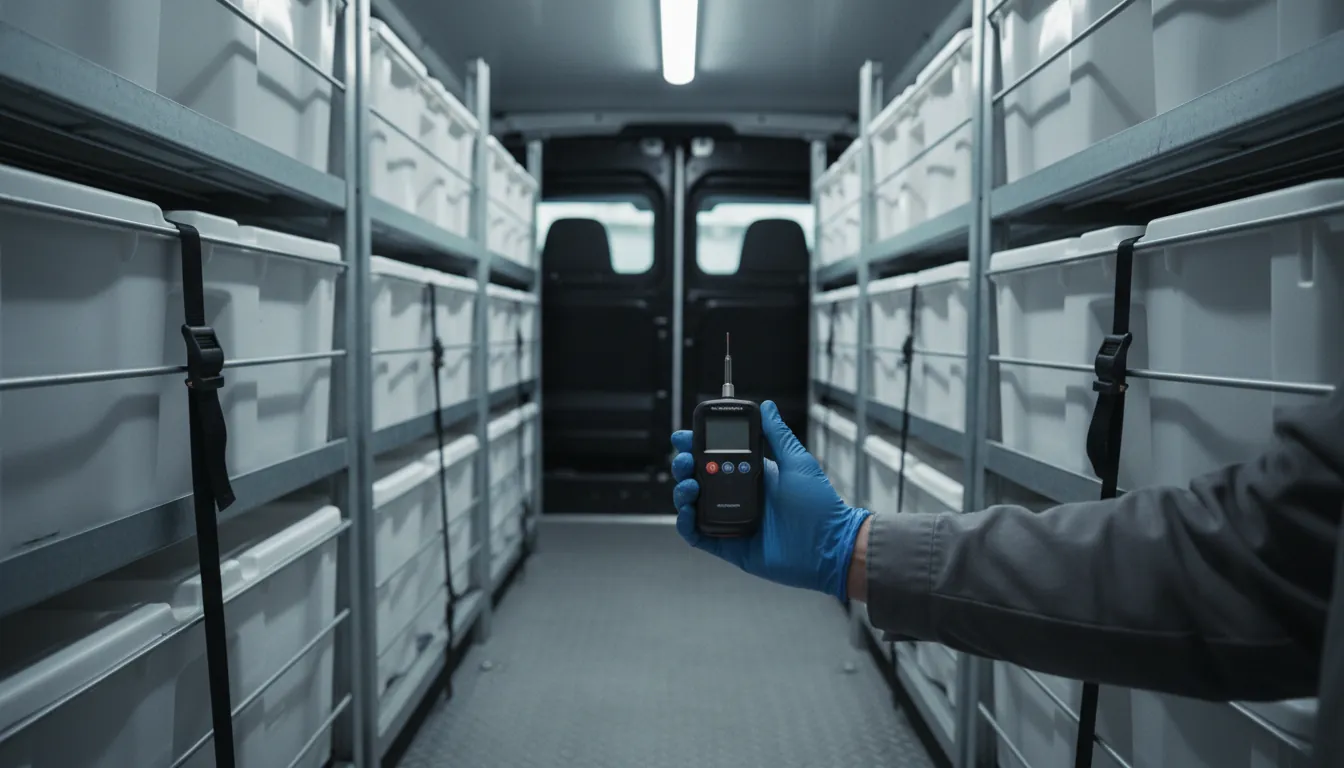
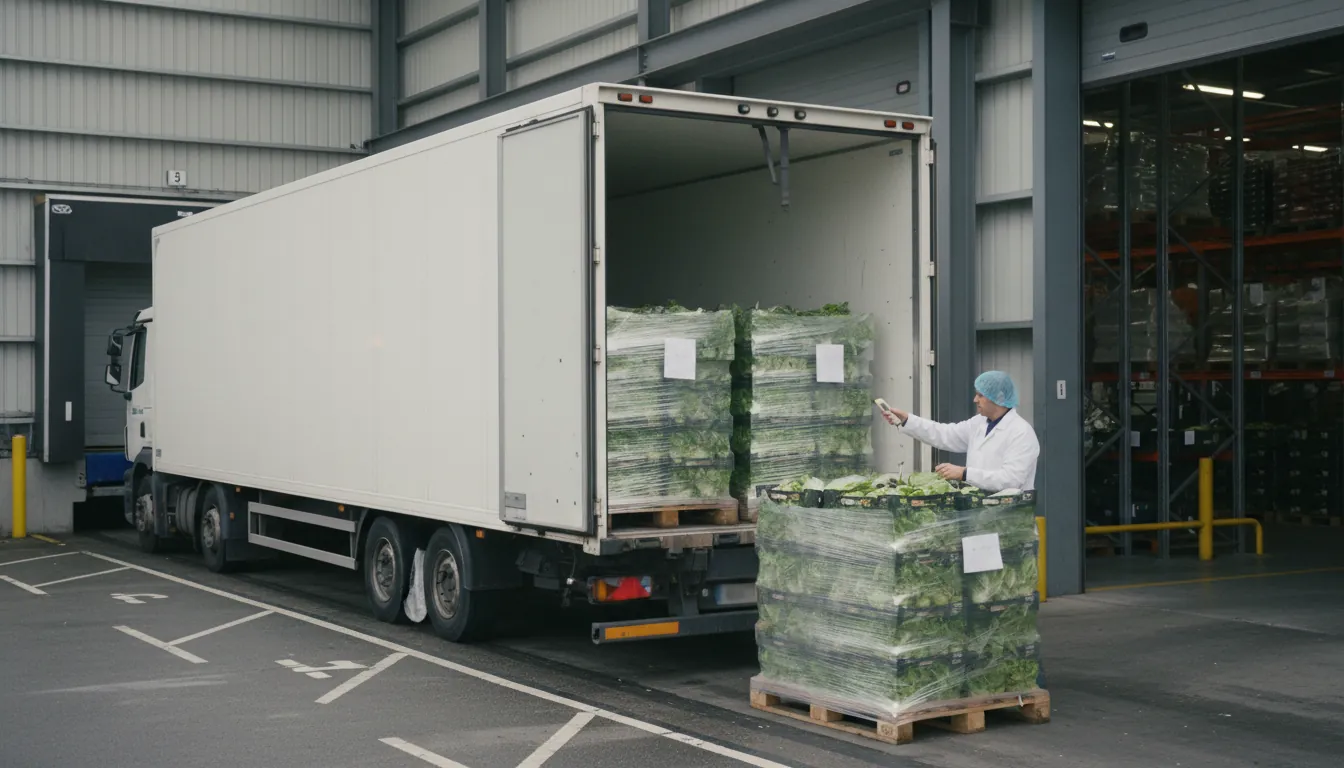
Food carriers are audited by their customers as often as by regulators. In England, the Food Safety and Hygiene (England) Regulations 2013 require chilled food to be held at 8°C or below, with a limited tolerance in transport for unavoidable reasons such as defrosting or a temporary breakdown. Hot food must be held at 63°C or above. Retailer and manufacturer specifications are often tighter than the legal limit, so check each customer’s specification and make sure your temperature records, cleaning schedules and HACCP-based procedures match it.
How we help in Yorkshire
Most of our Yorkshire work is in four areas:
- FORS accreditation for operators supplying construction, local authority and London customers. Audits are now against version 7.2.
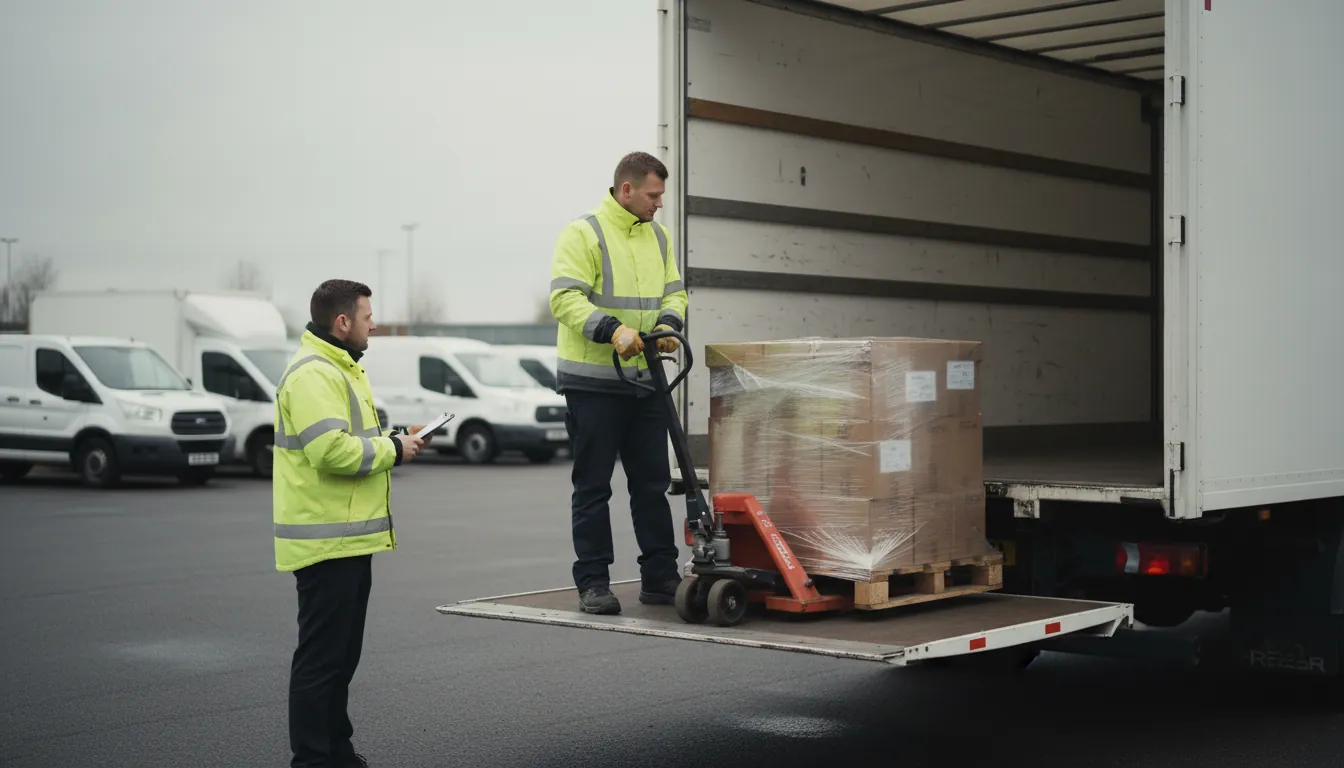
- Tail lift training, including Train the Trainer for multi-site fleets. One of our case studies is a Yorkshire distribution operator: we trained four in-house trainers and certificated more than 60 drivers across three sites within 28 days.
- Health and safety for depots and yards, including workplace transport, COSHH and a recorded fire risk assessment.
- Food transport compliance for carriers serving the region’s food manufacturers, built around HACCP and temperature control.
New operators get the full fleet set-up service, from the licence application to the first safety inspection.
Sources and further reading
- Goods vehicle applications and decisions: North East of England (GOV.UK)
- Clean Air Zones (GOV.UK)
- Drivers' hours: tachograph rules (GOV.UK)
- Goods vehicle operator licensing guide (GOV.UK)
- Food Safety and Hygiene (England) Regulations 2013, Schedule 4 (legislation.gov.uk)
- Guide to maintaining roadworthiness (DVSA)
- M62 drivers targeted in Operation Pennine (Fleet News)
Checked against the sources above on 5 October 2026.